The Procreate Botanical Box: A Creative Guide
Drawing organic forms is one of the most rewarding yet challenging aspects of digital illustration. The curve of a leaf, the symmetry of a petal, and the delicate texture of a stem require a steady hand and a keen eye for detail. For many creators, the blank canvas can feel intimidating when the goal is to produce professional-grade botanical art. This is where The Procreate Botanical Box steps in not just as a tool, but as a creative partner. It bridges the gap between intention and execution, allowing artists of all skill levels to produce stunning naturalistic designs without getting bogged down in technical perfection.
This resource is designed for those who appreciate the beauty of nature but may feel hesitant about their ability to render it from scratch. Whether you are a seasoned graphic designer looking to speed up your workflow or a hobbyist eager to explore digital painting, this collection offers a versatile foundation. By providing high-quality, hand-drawn elements, it removes the barrier of entry while leaving ample room for personal expression and artistic growth.
Overcoming the Intimidation of Blank Canvas
Botanical illustration has a rich history rooted in scientific precision and artistic elegance. Replicating that level of detail can be daunting. Many aspiring artists struggle with proportion and perspective, often leading to frustration before the creative process even begins. The Procreate Botanical Box addresses this by offering pre-rendered stamps that serve as immediate building blocks. These are not clip-art shortcuts intended to replace creativity; rather, they are guides that help you understand structure and composition.
When you use these stamps, you are engaging in a form of active learning. You can trace over elements to understand how lines flow, study how shadows are applied to create depth, or analyze how different leaves cluster together. This approach transforms the act of creation from a test of technical skill into an exercise in design thinking. You no longer need to worry about whether your rose looks botanically accurate; instead, you can focus on how that rose interacts with the surrounding space, color palette, and typography.
Versatility in Design and Application
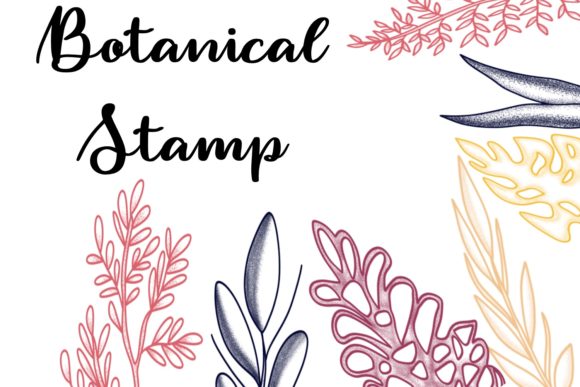
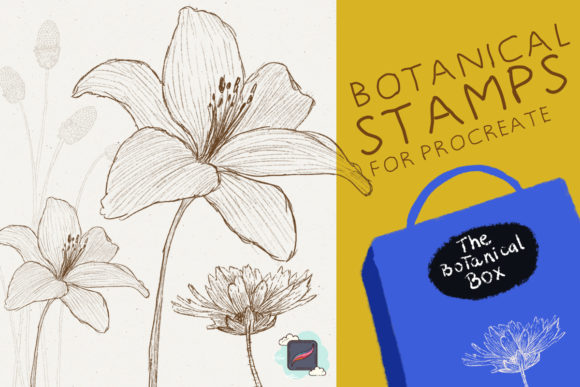
The core value of this collection lies in its flexibility. The box contains 60 hand-drawn botanical stamps, each crafted with attention to detail. These elements are not rigid; they are modular components that can be mixed, matched, and manipulated to suit a wide variety of projects. Here is how different creators can leverage this toolkit:
- Pattern Designers: By repeating and rotating specific floral elements, you can create seamless patterns for textiles, wallpapers, or packaging. The consistency of the hand-drawn style ensures that your patterns feel cohesive and organic.
- Greeting Card Creators: Combining flowers with negative space allows for elegant card designs. You can place a single large bloom in the corner for a minimalist look or create a lush border for a more traditional aesthetic.
- Brand Identity Specialists: Small businesses in the wellness, beauty, or organic food sectors often seek natural branding elements. These stamps provide a quick way to mock up logos, labels, and social media assets that convey freshness and authenticity.
- Educators and Bloggers: Visual content enhances engagement. Using these illustrations in blog headers, educational materials, or presentation slides adds a professional touch that stock photography often lacks.
The key to effective use is experimentation. Do not limit yourself to using the stamps exactly as they appear. Resize them, change their opacity, or alter their hue to match your specific brand colors. The goal is to integrate these elements so seamlessly that they feel like an original part of your unique visual language.
Creative Composition Techniques
To get the most out of The Procreate Botanical Box, consider approaching your compositions with a designer’s mindset. Start by establishing a focal point. Choose one dominant floral element and place it according to the rule of thirds. Then, use smaller leaves and stems to guide the viewer’s eye toward that focal point. This creates a sense of movement and balance within the artwork.
Mixing and matching shapes is essential for creating new botanical illustrations. Try combining a broad, tropical leaf with a delicate wildflower. The contrast in scale and texture adds visual interest and prevents the design from feeling flat. You can also layer elements to create depth. Place darker, larger leaves in the background and lighter, detailed flowers in the foreground. This simple technique mimics the way light interacts with real foliage, adding a three-dimensional quality to your digital work.
Another effective strategy is to use the stamps as underlays. Sketch your own rough ideas on a separate layer, then drag in the botanical stamps to refine the shapes. This hybrid approach allows you to maintain your original creative vision while benefiting from the polished aesthetics of the pre-drawn elements. Over time, you may find that your confidence grows, and you begin to draw more freehand elements, using the stamps only for complex details.
Bonus Elements for Enhanced Storytelling
In addition to the flora, the pack includes a valuable bonus: butterflies and banners. These additions expand the narrative potential of your designs. Butterflies introduce a sense of life and motion, transforming a static floral arrangement into a dynamic scene. They are perfect for spring-themed campaigns, wedding invitations, or children’s book illustrations.
The banners provide a functional element for text placement. In marketing materials, clear communication is vital. Instead of struggling to find a font that complements your flowers, you can place your message within a hand-drawn banner. This integrates the text into the artwork, making the design feel unified and intentional. The combination of botanicals, butterflies, and banners allows for complete scene construction, ideal for greeting cards, posters, and digital ads.
Practical Tips for Professional Results
To ensure your final outputs remain clear, effective, and organized, keep the following best practices in mind:
- Maintain Consistency: Stick to a limited color palette. Even though the stamps are hand-drawn, applying a consistent filter or color adjustment layer across all elements will unify the piece.
- Respect Resolution: Ensure your canvas size is appropriate for your end use. If you are designing for print, work at 300 DPI to keep the edges of the stamps crisp and clean.
- Use Layers Wisely: Keep each botanical element on its own layer. This non-destructive workflow allows you to adjust positioning, size, and opacity without affecting other parts of the composition.
- Add Personal Touches: Use Procreate’s brushes to add subtle textures, highlights, or shadows around the stamps. This helps blend the pre-made elements with any custom drawings or backgrounds you include.
By treating The Procreate Botanical Box as a starting point rather than a finish line, you unlock its true potential. It empowers you to create work that feels personal and professional, regardless of your initial drawing skills. Whether you are designing a complex pattern for a client or crafting a simple thank-you note for a friend, these tools provide the structure you need to let your creativity flourish.
Ultimately, the value of this resource is not just in the images it provides, but in the confidence it builds. It invites you to play, experiment, and discover new ways to express the beauty of the natural world through digital art. With 60 diverse stamps and bonus elements at your disposal, the possibilities are limited only by your imagination. Embrace the process, mix the shapes, and watch your botanical illustrations come to life with ease and elegance.