Mastering Modern Calligraphy with Procreate Brush - Yellow Design 2 Last
In the rapidly evolving landscape of digital art, the tools we choose significantly influence the final aesthetic of our work. For designers, illustrators, and hobbyists focusing on typography, finding a brush that balances fluidity with control is paramount. The Procreate Brush - Yellow Design 2 Last has emerged as a notable resource for those seeking to elevate their lettering projects. Designed specifically for the iPad Pro ecosystem, this tool offers a hand-drawn texture that mimics the organic feel of traditional media while leveraging the precision of digital technology.
This article explores the specific characteristics of the Yellow Design 2 Last brush, evaluates its suitability for various design tasks, and compares it against broader categories of digital lettering tools. By understanding its strengths and limitations, you can determine whether this brush aligns with your creative workflow or if an alternative approach might better serve your needs.
Understanding the Yellow Design Aesthetic
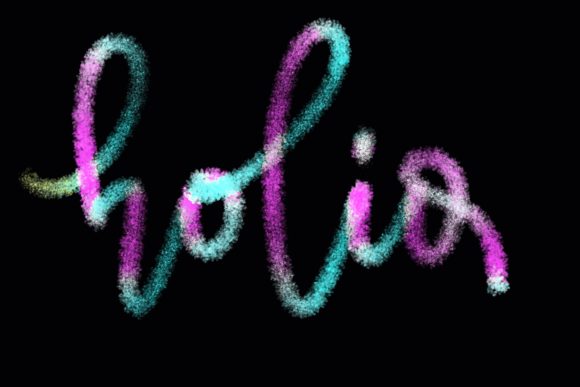
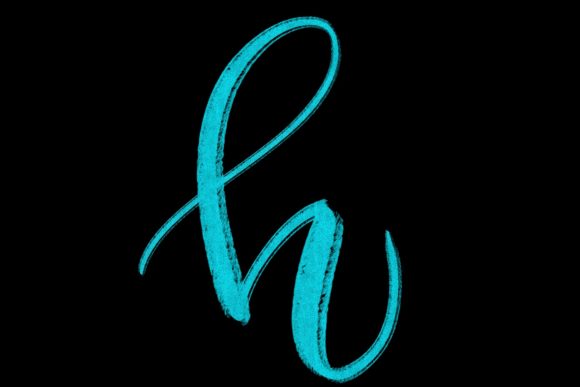
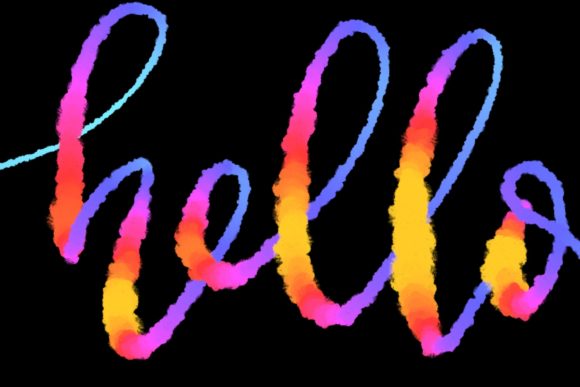
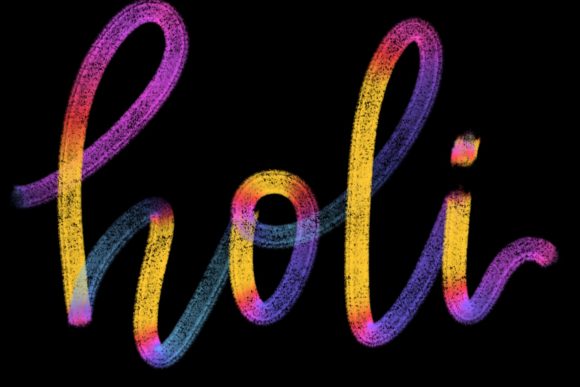
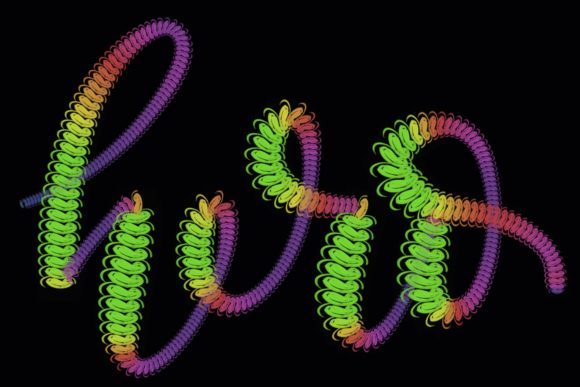
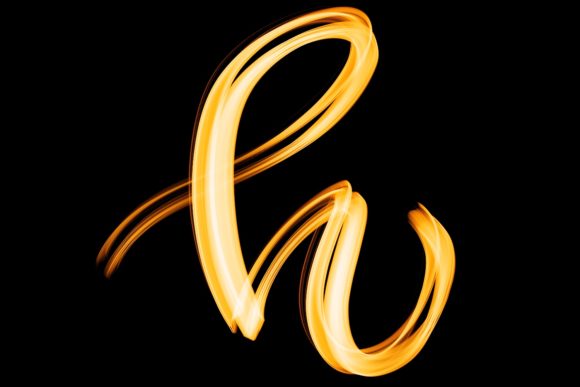
The core appeal of the Yellow Design 2 Last lies in its hand-drawn origin. Unlike algorithmic brushes that generate perfect, uniform strokes, this brush retains the subtle imperfections and textural nuances of human handwriting. This distinction is crucial for modern calligraphy and lettering, where the goal is often to convey warmth, personality, and elegance rather than mechanical precision.
When you apply this brush in Procreate 5 and above, the pressure sensitivity of the Apple Pencil plays a critical role. The brush is engineered to respond dynamically to the angle and pressure of your stylus, allowing for thick downstrokes and delicate upstrokes. This variability is essential for creating the contrast that defines traditional calligraphy. However, it is important to note that this responsiveness is not universal; it is optimized strictly for the iPad Pro environment with a compatible pressure-sensitive stylus, such as the Apple Pencil.
Key Applications and Use Cases
The versatility of this brush set extends beyond simple practice sheets. Its design makes it particularly effective for several professional and personal projects:
- Wedding Stationery: The elegant, flowing lines are ideal for invitations, save-the-dates, and place cards, where a touch of sophistication is required.
- Quote Designs and Social Media Graphics: Influencers and content creators often need unique typography to overlay on images. This brush allows for quick creation of bespoke lettering that stands out from standard font libraries.
- Logo Design: For brands seeking a handmade, artisanal identity, the Yellow Design brush provides a foundational element that can be refined into a scalable logo.
- Greeting Cards: Whether for holidays or personal milestones, the brush enables the creation of heartfelt, personalized messages that feel authentic rather than mass-produced.
Evaluating Compatibility and Technical Requirements
Before integrating any new digital tool into your workflow, it is essential to assess technical compatibility. The Procreate Brush - Yellow Design 2 Last is not a standalone application; it is a resource file designed exclusively for the Procreate app. This creates a specific ecosystem dependency that users must acknowledge.
The primary requirement is an iPad Pro running Procreate version 5 or higher. More importantly, the brush relies on hardware-level pressure sensitivity. This means it is not suitable for use with standard capacitive styluses, fingers, or older iPad models that lack advanced pressure detection. Furthermore, this brush cannot be imported into desktop software like Adobe Photoshop, Illustrator, or Clip Studio Paint on Windows or macOS. If your workflow is primarily desktop-based, this resource will not integrate seamlessly, and you would need to seek vector-based alternatives or Photoshop-specific brush sets.
This limitation is not necessarily a drawback but rather a definition of scope. The brush is optimized for the tactile experience of drawing on glass with a pencil-like tool. For artists who value portability and the direct connection between hand and screen, this setup is ideal. For those who prefer the precision of a mouse and keyboard or the expansive screen real estate of a desktop monitor, this tool may feel restrictive.
Comparing Digital Brushes: Texture vs. Precision
When evaluating the Yellow Design 2 Last against other options, it is helpful to categorize digital lettering tools into two broad groups: textured, hand-drawn brushes and clean, vector-style brushes.
Textured Brushes (Like Yellow Design 2 Last): These tools prioritize organic feel. They often include noise, grain, or irregular edges to simulate ink on paper or chalk on a board. The strength of this approach is authenticity. It reduces the "digital" look that can sometimes make designs feel cold or corporate. However, the tradeoff is consistency. Each stroke may vary slightly, requiring more time to refine letters if a uniform look is desired. Cleaning up rough edges or adjusting spacing can be more labor-intensive compared to vector tools.
Clean/Vector-Style Brushes: These brushes produce smooth, consistent lines with minimal texture. They are excellent for geometric lettering, modern sans-serif styles, and designs that require precise alignment. The advantage here is efficiency and scalability. However, they can lack the emotional resonance and warmth that hand-drawn textures provide. For projects like wedding invitations or inspirational quotes, the sterile nature of clean brushes might not convey the intended mood.
The Yellow Design 2 Last sits firmly in the textured category. It is best chosen when the project demands a human touch. If you are designing a tech startup logo that requires sharp, futuristic lines, this brush may not be the right fit. Conversely, if you are creating a boutique coffee shop menu or a handwritten journal cover, its organic qualities become a significant asset.
Decision Factors: Is This Brush Right for You?
Choosing the right digital brush involves balancing your artistic goals with your technical constraints. Consider the following factors when deciding whether to incorporate the Yellow Design 2 Last into your toolkit.
When to Choose This Brush
- You Prioritize Organic Aesthetics: If your design style leans towards rustic, vintage, or elegant handwritten looks, this brush provides the necessary texture without requiring extensive post-processing.
- You Work Exclusively in Procreate: If your primary device is an iPad Pro and you are comfortable within the Procreate interface, this brush integrates natively, allowing for a smooth workflow without file conversion issues.
- You Value Speed in Drafting: Hand-drawn brushes often allow for faster initial concepts because they forgive minor inconsistencies. You can achieve a polished look with fewer layers and adjustments compared to constructing letters from basic shapes.
When to Consider Alternatives
- You Need Cross-Platform Compatibility: If you frequently switch between iPad and desktop software, a brush locked to Procreate may disrupt your workflow. In this case, investing in vector fonts or cross-compatible brush packs might be more practical.
- You Require Perfect Uniformity: For technical diagrams, architectural lettering, or corporate branding guidelines that demand strict consistency, a custom vector font or a highly controlled geometric brush set would be more appropriate.
- You Lack Pressure-Sensitive Hardware: Without an Apple Pencil or a comparable high-end stylus, you will not be able to utilize the dynamic range of the brush. The result may appear flat and unresponsive, negating the benefits of the design.
Practical Tips for Maximizing Results
To get the most out of the Procreate Brush - Yellow Design 2 Last, consider adopting a few best practices. First, experiment with the opacity and flow settings within Procreate. While the brush is pre-configured for optimal performance, slight adjustments can help match the specific texture of your project background. Second, utilize the stabilization feature in Procreate’s streamlines. This helps smooth out shaky hand movements, ensuring that your elegant curves remain graceful rather than jagged.
Additionally, remember that digital lettering is rarely about a single stroke. Layering multiple passes or combining the Yellow Design brush with simpler sans-serif fonts can create visual hierarchy and interest. For instance, use the brush for key words in a quote and a clean font for the supporting text. This contrast enhances readability while maintaining the artistic flair of the hand-drawn elements.
Ultimately, the Yellow Design 2 Last is a specialized tool designed for a specific purpose: bringing the warmth of hand-lettering to the digital workspace. By understanding its capabilities and respecting its limitations, you can make an informed decision about whether it fits your creative arsenal. Whether you are jazzing up your home decor with custom prints or designing professional stationery, this brush offers a reliable pathway to achieving elegant, modern calligraphy with a distinctively human touch.